The Drake Hotel, Chicago
There are cities you pass through, and then there are cities you keep thinking about afterwards. I’ve been fortunate to visit every country in the world, including spending a lot of time in America. Some places stand out for a moment, others stick a bit longer. Chicago is one of those cities I genuinely like going back to.
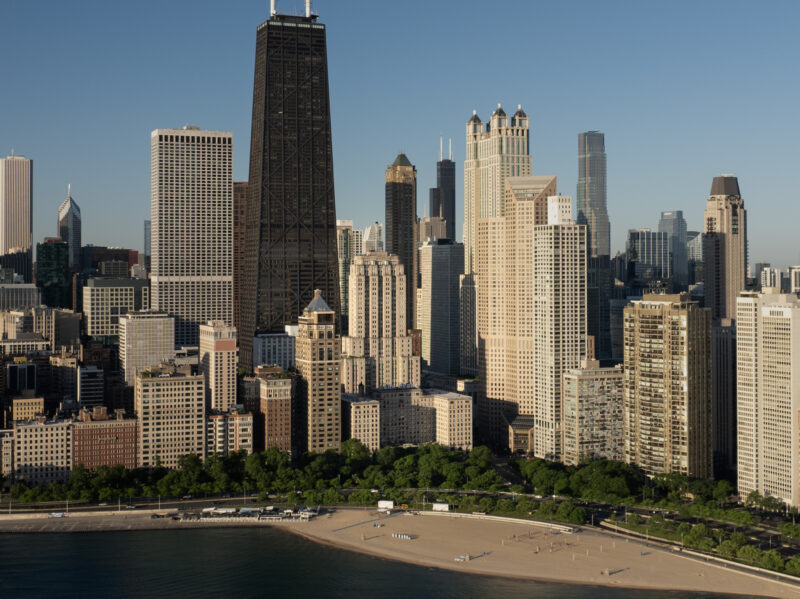
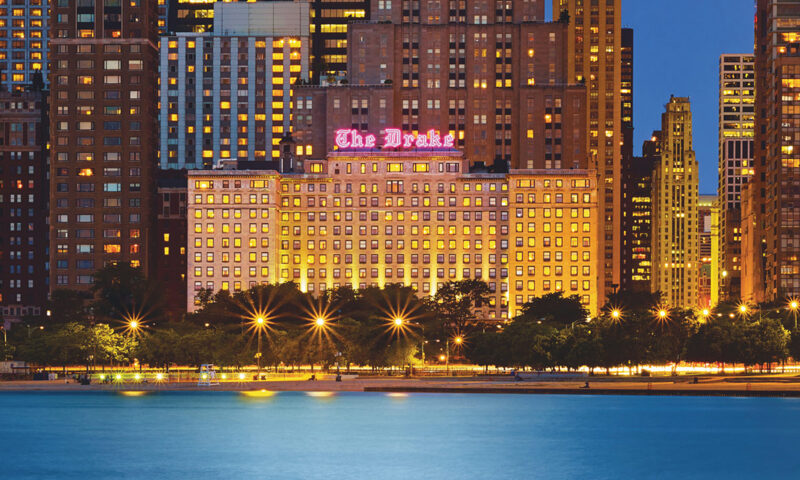
One of the names you come across fairly quickly in Chicago is the The Drake Hotel. It sits at the northern end of the Magnificent Mile, right by Lake Michigan. Because of that location, it’s a well-known part of the area and easy to notice when moving between the city streets and the lakefront.
The hotel dates back to the 1920s and is often mentioned in connection with Chicago’s older, more established architecture. It represents a style that was more common at the time—large, structured buildings designed to be both functional and visually consistent with their surroundings. Over the years, it has remained part of the city’s landscape, even as newer developments have grown up around it.
Rather than standing out as something modern or redesigned, The Drake is generally seen as one of those long-standing hotels that reflects an earlier period in the city’s development. It’s part of a stretch of Chicago where you can see how different time periods overlap—older buildings next to newer ones, all contributing to the overall look of the area.
Its position also makes it relevant when talking about how Chicago is laid out. From that point in the city, you’re very close to the lakefront, where the atmosphere changes quickly. The open space along Lake Michigan contrasts with the more built-up streets just a few steps away. It’s one of the clearer examples of how Chicago blends urban and natural elements.
Chicago has mix of old and new buildings, and somehow it all works together. You can have a full day—walk along the river, stop for food, explore a few neighborhoods—and still feel like you’ve had time to slow down a bit. The lakefront especially makes a difference. It opens everything up and gives the city space.
One of the hotel’s most famous features is the Palm Court, known for its afternoon tea service. It’s a tradition that has lasted for decades, drawing both tourists and locals. Sitting there with tea and small pastries, you get a glimpse of a slower, more formal style of social life that has mostly disappeared elsewhere.
Over the years, the Drake has managed to stay relevant without losing its identity. It has gone through renovations and updates, but it still feels rooted in its past. That balance is probably why it continues to stand out in a city full of newer, flashier options.
In many ways, the Drake Hotel represents a version of Chicago that values history as much as progress. It’s not just a place to stay—it’s a reminder of how the city once presented itself to the world, and how some traditions are worth holding onto.