Opus XVI, Bergen
Opus XVI is a boutique hotel located in central Bergen, Norway, close to Vågsallmenningen and the city’s historic core. The hotel occupies a restored building originally constructed in the late 19th century and is closely associated with the cultural legacy of composer Edvard Grieg. The name Opus XVI refers to Grieg’s Piano Concerto in A minor, one of his most well-known works, and the hotel’s identity is built around Norwegian music history and cultural heritage.
Norway is one of my favourite countries in the world, and Bergen is one of my favourite cities in Scandinavia. I visited Bergen for the second time on my most recent trip, but it was first time I stayed overnight in the city. Based on the research I did, including seeing a high guest satisfaction score of 9.0 on Booking.com, I arrived excited and with high expectations.
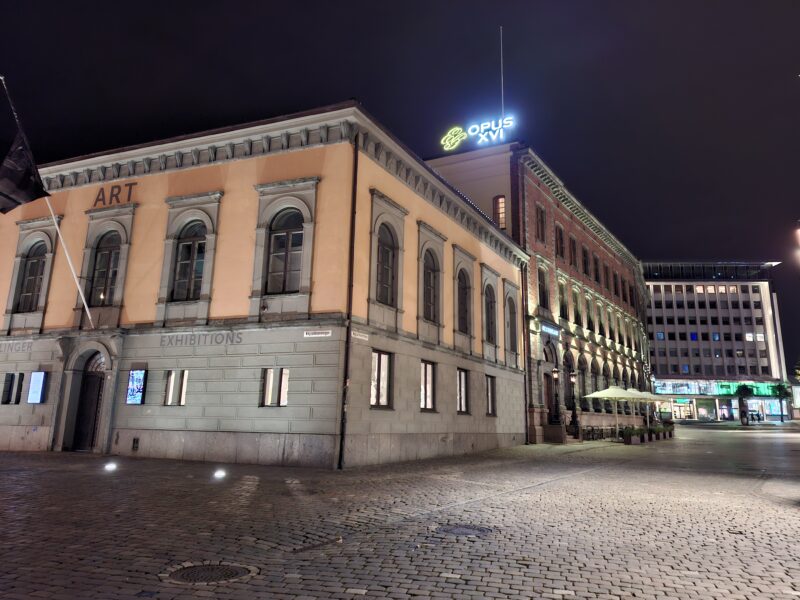
The building that houses Opus XVI dates back to 1876 and was originally used as a bank. Its location places it within walking distance of many of Bergen’s main attractions, including Bryggen, the Fish Market, Fløibanen, museums, shops, and public transportation. The surrounding area is one of the city’s most active commercial and cultural zones, making the hotel well-suited for visitors who want direct access to Bergen’s urban environment.
The property was redeveloped into a hotel with the aim of preserving the original architecture while adapting the interior for modern hospitality use. The exterior retains its historic appearance, with solid masonry construction and architectural details typical of the period. Inside, the building has been carefully renovated to meet current standards for safety, comfort, and functionality. The design approach emphasises continuity with the building’s past rather than contrast, resulting in a hotel that feels established rather than newly inserted into the cityscape.
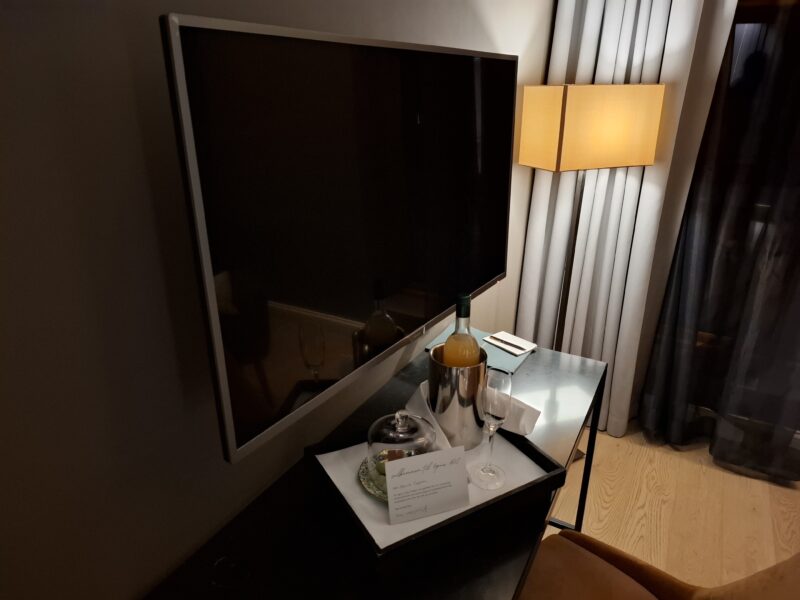
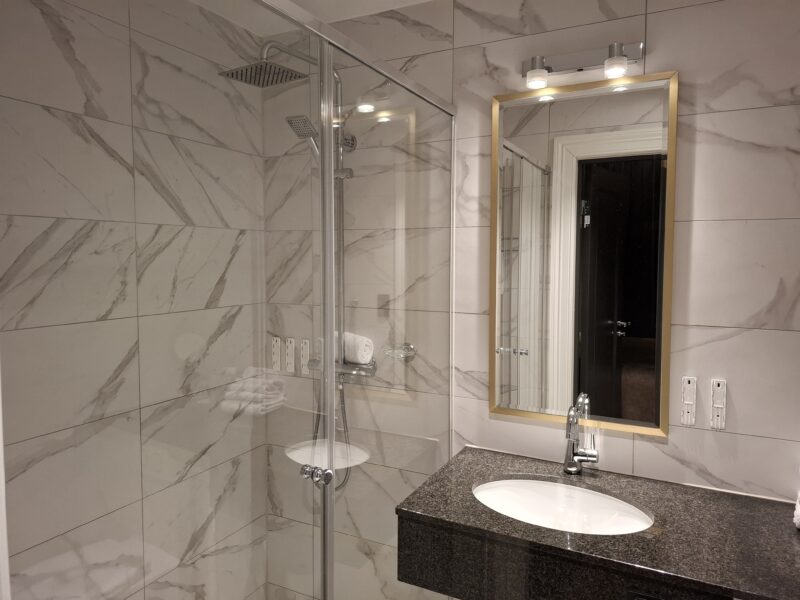
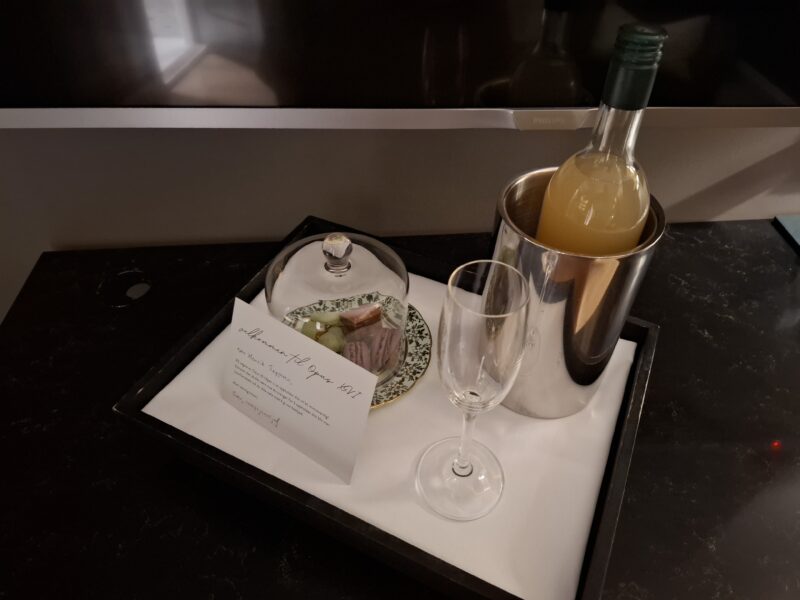
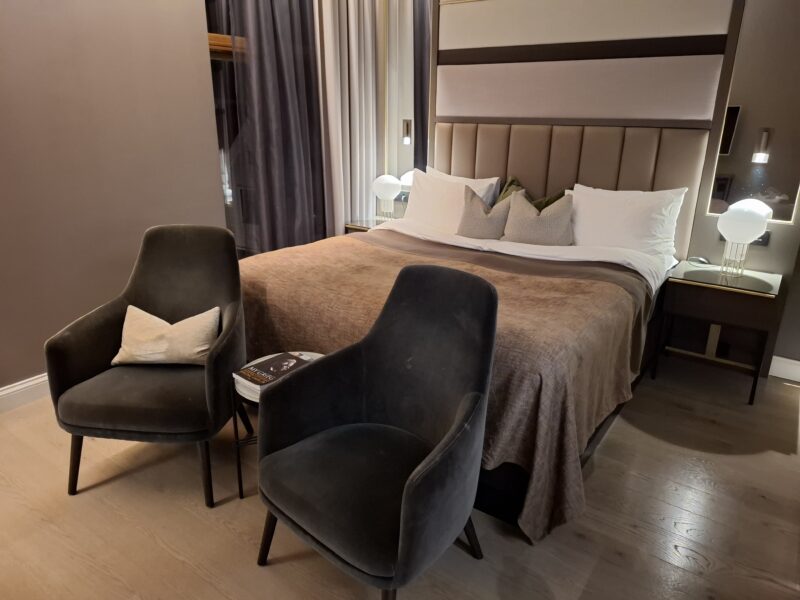
My experience at Opus XVI started with a professional welcome at the reception before arriving at the room, where it was nice to see a bottle of eplemost in the room. A lovely kind of apple juice without added sugar. The room was impressive with an attractive design, lovely bed and great shower.
The rooms vary in size and layout due to the original structure of the building. Some rooms are more compact, while others are larger and feature higher ceilings or additional seating areas. Several rooms and suites offer views over Vågsallmenningen or nearby streets in central Bergen.
All rooms are equipped with private bathrooms, high-quality beds, desks or work surfaces, storage, and wireless internet access. Interior design emphasises muted colours, solid materials, and understated detailing. References to music and Edvard Grieg’s legacy are present but not dominant, appearing through subtle artwork, naming conventions, or design elements rather than thematic decoration. The rooms prioritise comfort, quiet, and functionality, with sound insulation adapted to the central location.
Dining is a central part of Opus XVI’s offering. The hotel restaurant, often referenced in connection with fine dining in Bergen. The restaurant operates as both a hotel facility and an independent dining destination, attracting different visitors, including local guests as well as hotel residents.
In addition to dining facilities, Opus XVI offers common areas intended for relaxation and informal meetings. These spaces are limited in size but are designed to support the hotel’s boutique character. Seating areas are typically quiet and used by guests for reading, conversation, or short work sessions. The hotel does not offer large conference facilities or extensive leisure amenities such as a spa or fitness centre.
The reception area functions as the primary service point for guests. Staff assist with various things, including check-in, check-out, and general inquiries, including recommendations for cultural activities, restaurants, and transportation. The staff at the reception was really great, while a restaurant staff member refused a request for something different than what was on the breakfast menu, which obviously didn’t impress me. The general manager has informed me it shouldn’t happen, so if you, like me, would like something simple that is not on the menu, you are very welcome to share this article.
Opus XVI’s location makes it particularly suitable for guests interested in Bergen’s cultural and historical offerings. Bryggen, a UNESCO World Heritage site, is a short walk from the hotel, as are several museums and galleries. The Fløibanen funicular, which provides access to Mount Fløyen and its hiking trails, is also nearby. The Fish Market and harbour area are within walking distance, offering access to boat tours and fjord excursions.
Public transportation options are readily available in the area, including buses and the Bergen Light Rail, which provides a direct connection to Bergen Airport, Flesland. This accessibility makes the hotel convenient for guests arriving without a car. Due to its central location, parking options are limited, and guests travelling by car typically use nearby public parking facilities.
Guest feedback commonly emphasises the hotel’s location, room quality, and overall atmosphere. The building’s historic character is frequently noted as a positive aspect, along with the attention to detail in interior design and service. The hotel impressed me overall as well, and I consider it one of the best city hotels in Scandinavia.
Overall, Opus XVI functions as a centrally located boutique hotel that combines historical architecture, cultural association, and modern hospitality standards. Its role within Bergen’s hotel landscape is defined by scale, location, and quality rather than volume or extensive facilities. The hotel’s continued operation reflects a demand for accommodation that prioritizes design continuity, great service, cultural relevance, and central access within one of Norway’s most beautiful cities.